- Jake Starkey
Men can sometimes feel pressure to keep going, deal with problems themselves and put other people first. But looking after our own wellbeing is an important part of being able to support the people around us. Recognising when we need to pause, recharge or ask for support can help prevent us from reaching the point of running on empty.
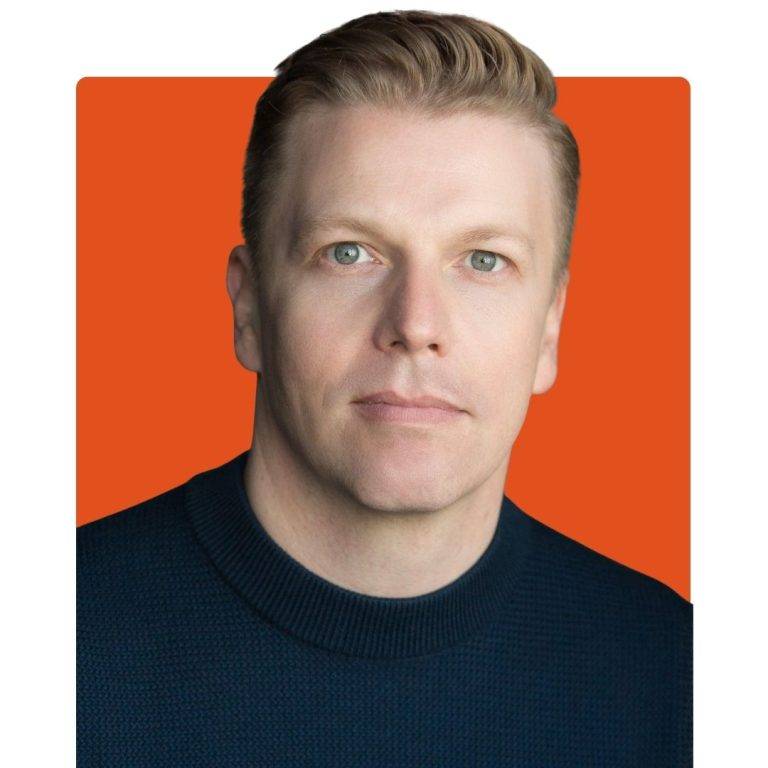
As part of our famous voices series, actor and voiceover artist David Menkin, best known for his work as Luke Skywalker in LEGO Star Wars, Barnabas in Final Fantasy XVI and Hugh Williams in PRAGMATA, shares what he has learnt about looking after his wellbeing, setting boundaries and why talking about what’s on your mind can make difficult problems feel more manageable.
Looking back, what would you tell your younger self about wellbeing or mental health?
It can be easy to put our own wellbeing to one side when we’re focused on work, relationships or supporting other people. But recognising when we’re running low and taking time to recharge can help us look after ourselves and be there for others.
And remember that saying no is okay. You don’t have to be available to everyone all the time. Looking after yourself isn’t selfish; it can help you have more energy for the people and things that matter to you.
What is the most helpful thing someone has said or done to support you through difficult times?
It can be tempting to feel like you need to fix every problem straight away, particularly when you’re used to being the person others turn to for solutions. But sometimes, as David says, simply figuring out what’s wrong is enough for now.
If something is weighing on you, give yourself permission to pause rather than putting pressure on yourself to have all the answers. Understanding what you’re dealing with can be an important first step, and you can work out what to do next when you’re ready.
If someone reading this is struggling today, what would you want them to hear?
When you’re struggling, keeping everything in your head can make problems feel bigger and harder to manage. Talking to someone can help you get a different perspective and remind you that you don’t have to work everything out alone.
You don’t need to wait until things become overwhelming or know exactly what you want to say. Start with someone you trust and simply tell them that you’re finding things difficult.
A huge thank you to David for sharing his thoughts and experiences with us.
You can follow David Menkin on Instagram at @davidmenkin and find out more about his work.
Explore the Men's Suicide Prevention Hub
If you’re looking for information about men’s mental health, suicide prevention, warning signs, risk factors or where to find support, visit our Men’s Suicide Prevention Hub.
The Hub brings together practical information and resources to help men, and the people around them, better understand the pressures that can affect mental health and suicide risk.

Hear more famous voices
David Menkin’s way of looking after his mental health is unique to what is best for him. Our famous voices series brings together different experiences and perspectives on men’s mental health, helping to challenge the idea that men should simply cope on their own.
Help us to save more lives from suicide.
Whether you choose to support our work through a donation or develop the skills to support someone through suicide prevention training, you can play a part in saving lives.