Youth Suicide Prevention Hub
Suicide is the leading cause of death for people under 35 in the UK, with rates among 15 to 19-year-olds in England now at their highest in 30 years. Each year, around 200 schoolchildren across the UK die by suicide, and more than 68% of young LGBTQ+ people have experienced suicidal thoughts. With the right support at the right time, many of these deaths can be prevented. Our resources, training and information are here to help young people stay safe and supported.
Find help now
If you are having suicidal thoughts and need help now, please use the links below. If you are supporting a young person please share them with young people who may need them, or keep a note for the future.
Childline
Free, confidential support for anyone under 19. You can talk about anything that’s worrying you, by phone or online chat.
- Send a message
- Call 0800 1111
- Coping kit
Shout
If you prefer to talk to someone over text message, Shout offer confidential support 24/7.
- Text the word SHOUT to 85258
- Visit the website
The Mix
Free support and information for people under 25, covering mental health, relationships, money, housing and more.
- Text THEMIX to 85258
- Visit the website
Switchboard LGBT+ Helpline
Confidential support for LGBTQ+ people looking for someone to talk to about anything, including mental health and suicide.
- Call 0800 0119100
- Chat available from 15:30
- Email hello@switchboard.lgbt
Stay Alive app
Whether you’re struggling with your mental health or suicidal thoughts, or supporting someone else, our NHS-recommended Stay Alive app offers practical tools and access to over 800 resources to help you stay safe.

Grounding techniques
Access breathing exercises and grounding techniques that can help deal with overwhelming anxiety, pain or emotions.

Safety plan
Create a Safety Plan to recognise warning signs early and outline the steps you can take if a suicidal crisis is beginning or escalating.

Lifebox
Upload photos and memories to your LifeBox. These reminders can help ground you, bring comfort and offer a moment of calm when you need it most.
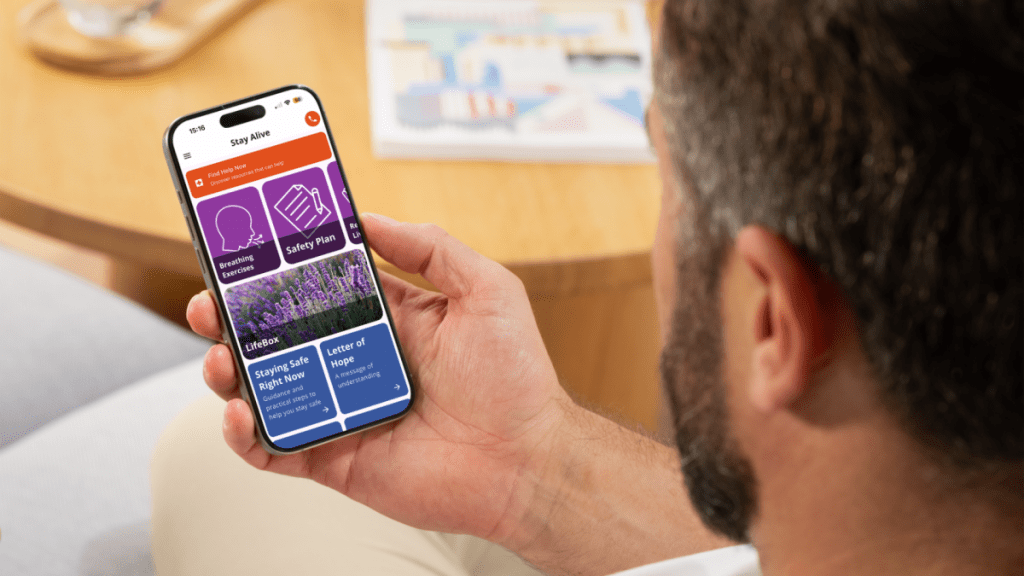
Stay Alive App
All of these tools and more are available on our Stay Alive app, making them easy to access when you or someone you are worried about is struggling.
Did you know? Our free app was the first in the UK, has won multiple awards and is helping a million people all over the world. Please consider a donation (whatever you can afford) to continue to develop the maintenance and development of our app.
Youth risk factors
As many as one in five people experience suicidal thoughts. Research shows that these thoughts can be interrupted and suicide can be prevented.
Young people can experience a combination of risk factors across their home, family, school and wider community. Difficult experiences, feelings and situations can make the pain of continuing to live feel overwhelming. It’s important not to oversimplify what may have contributed to a suicide. Every death is unique, and we should avoid speculating about someone’s emotional state, looking for a single cause or placing blame.
Suicidal thoughts can affect any young person. Having a stable home, good educational record, supportive friendships or no diagnosed mental health condition does not make someone immune.
Suicide risk is often shaped by a combination of individual, relationship, community and societal factors. You can find some examples below.
- Previous suicide attempt
- Signs of depression and other mental illnesses
- Serious illness such as chronic pain
- Juvenile criminal/legal problems
- Mood disorders
- Illegal/reckless/underage substance use
- Adverse school or home experiences
- Family conflicts and unstable home life
- Parental separation or divorce
- Loss of a parent or close family member (through death, incarceration, or estrangement)
- Lack of emotional support from family or peers
- Bullying or cyberbullying
- Social isolation or exclusion
- Romantic relationship difficulties or break-ups
- Rejection due to sexual orientation or gender identity
- Stigma associated with help-seeking and mental illness, especially among peers when young
- Access to means of suicide in the home or at school
- Unsafe media reporting of suicide
- Ease of finding young online communities who glorify suicidal ideation
- Lack of access to healthcare
- Suicide cluster in the school or wider community
- Stress of acculturation
- Community violence
- Historical trauma
- Discrimination
Many young people face a combination of challenges involving their homes, families, schools, and communities. When these experiences are coupled with intense emotions or difficult circumstances, some may feel that ending their life is the only way to escape the pain. Understanding the risk factors that contribute to these feelings is an important step in supporting young people.
Voices of Hope podcast
Our podcast series brings together mental health professionals, people with lived experience, local government, researchers, educators and more about how their work connects to suicide and what we can do as a community to prevent suicide.
Listen to learn more about the impact youth suicide on schools and universities and what we can do to support young people.

Warning signs in young people
Most young people who are thinking about suicide will show one or more warning signs, through what they say or what they do.
You may see a change in behaviour or the presence of entirely new behaviours. This is of particular concern if the new or changed behaviour is related to a painful event, loss, or change.
Remember that young people are also going through changes like puberty, emotional development and much more. Some of the signs below could also just be part of being a young person, but it is always better to check in than not.
Here are some potential warning signs that a young person may be considering suicide:
- Depression
- Anxiety
- Frequent irritability
- Feelings of humiliation and/or shame
- Unexplained crying
- Self-loathing or self-hatred
- Relief or sudden elation (after sadness)
- Feeling hopeless or like a failure
- Feeling trapped
- Hating their life
- Talking about killing themselves
- Saying things like:
- “No one cares”
- “I have nobody or nothing to love”
- “I have no reason to live”
- “I’m a burden / bothering others”
- “Things would be better if I were gone/dead”
- “My problems will be over soon”
- Expressing being a “bad child” or “not the favourite”
- Self-destructive behaviour or impulsive, reckless actions
- Increased or risky use of alcohol or drugs (including underage use)
- Searching for ways to end their life (e.g., looking online for methods)
- Giving away prized possessions
- Making a will or final arrangements
- Visiting or calling people to say goodbye
- Aggression
- Inability or reluctance to carry out usual activities (schoolwork, sports, extracurriculars)
- Declining performance at school
- Preoccupation with death (in art, writing, social media, etc.)
- Extreme fatigue
- Sleeping too much or too little
- Withdrawing from activities or social groups
- Isolating from family and friends
- Spending more time with different peer groups encouraging risky behaviour
- Concern from teachers about dark or depressing creative work or themes in homework
- Teachers or peers noticing a decline in school attendance
- Loss of friendships or conflict with friends
- Avoiding social events or group activities
- Noticeable changes in peer group or social circles
Youth suicide myths
There are some phrases and assumptions around suicide add to the weight of social stigma and shame that it carries. This stigma can be even more damaging to young people who may be going through difficult times with personal, emotional and social development.
When a young person at risk hears stereotypes, they can see it as confirmation that they are misunderstood, inadequate, alone or worthless. This makes them more likely to struggle in silence and can increase the chance that they will act on their suicidal thoughts.
Here are some of the most harmful suicide myths debunked. Click each myth to see the real facts and explanations.
Fact: Asking a young person about suicide can protect them.
Asking about suicide can seem daunting, especially with young people, but it is always safer to ask and give them the opportunity to get help and talk about their feelings.
A suicidal young person will already have heard of, thought about and possibly researched suicide. You will not be ‘planting’ an idea.
If a young person doesn’t know what suicide is when you ask, it is an opportunity to explain carefully and sensitively and give them the tools to express themselves in a healthy way and hopefully avoid suicidal thoughts in the future. Some younger children may not understand the word ‘suicide’ but use phrases like ‘sleep forever’ or ‘go to be with (a deceased person)’.
Conversations and language around suicide need to be carefully managed. Asking a young person if they’re having suicidal thoughts gives them permission to tell you how they feel and let them know they are not a burden.
Our youth-specific resource below has a comprehensive plan for a conversation about suicide.
Fact: Many suicidal crises can be relatively short-lived.
Most young people who feel suicidal do not want to end their lives, they just want the situation, pain or feelings to end.
The distinction may seem small, but it is very important. It’s why talking to young people about staying safe for now and finding the right help is so vital. Anyone can learn how to safely intervene until they can be connected with further support.
The feelings and experiences that cause suicidal thoughts can be particularly heightened in young people. It can help to remind them that intense feelings can and will pass, and they will not feel this way forever.
Fact: Anyone talking about suicide needs serious attention.
Threatening suicide is a serious sign that a young person needs help. It can be useful to reframe this – instead of thinking that ‘attention-seeking’ is negative, think practically. Of course this person is seeking attention, they are struggling with pain that they cannot manage. The attention they need may well save their lives.
Most people who die by suicide have talked about it first. Do not dismiss any mention of suicide, especially in young people, as ‘dramatic’ or ‘attention-seeking’. We should always take any mention of suicide seriously.
Fact: Warning signs, verbally or behaviourally, precede most suicides.
Most young people struggling with thoughts of suicide try to communicate that they need help. This could even be on an unconscious level.
Young people who are suicidal may only show warning signs to those closest to them. If those people don’t know what to look for or don’t recognise what’s going on, suicide can seem sudden or without warning.
It is so important to be alert to any changes in a young person’s behaviours, particularly if those changes are for the worse. A life event, parental divorce, bad grades, suspension or falling out with a friend or group can all be huge events in a young person’s life.
These subtle warning behaviours and comments can easily be missed, especially if many people see many sides of a young person’s struggle.
Fact: One in five people will think about suicide at some points in their life.
While mental health issues are widespread, it is important to remember that not everyone who dies by suicide has a mental health problem.
Youth suicide is complex and most likely a combination of individual, societal, relationship and community factors and should never be attributed to one thing exclusively.
Young people can have a lot to deal with at school, at home, internally and externally. Struggling to navigate their feelings does not make them mentally ill, and it is not a sign of ‘insanity’ to consider taking your life.
Fact: Young people who attempt suicide are suffering with deep and overwhelming feelings that could make them feel worthless, helpless or in despair.
They often feel they are a burden to others. They may believe that suicide is the only way out to end their intense suffering and pain.
Suicidal feelings can be heightened and made more intense in young people as they experience rapid changes socially, emotionally, hormonally and personally.
Reaching the point of considering suicide is never ‘easy’ and to suggest a suicidal person is being selfish may reinforce their negative thoughts and low self-worth.
Fact: Active suicidal ideation is often short-term and situation-specific.
Suicide is often an attempt to end painful emotions and thoughts. Once these thoughts dissipate, or a situation changes, so will the suicidal ideation.
Research shows that the most intense periods of feeling suicidal will change after around 24 hours and suicidal thoughts can be interrupted with timely intervention.
Young people may continue to have thoughts of suicide even after the worst periods have passed. This does not make them a constant danger to themselves, in fact, many people with suicidal thoughts live long and fulfilling lives.
The most important thing is to communicate effectively and safely with a young person, so that they know who to talk to and where to go when they start having these thoughts.
What to say
Here are some ways to keep the conversation going and opportunities to offer hope, support and empathy to a young person struggling.
It can be very hard to ask these questions; remember it is always better to ask about suicide and get a definitive answer than to avoid asking and miss an opportunity to connect someone with urgent support.
Reassurance and giving them time
- “Just take your time, there’s no rush.”
- “I know talking about this can be difficult. I’m here to listen.”
- “You can tell me anything.”
- “I want to listen and understand.”
Reassure them that they matter to you, you’re here to listen and support and you don’t need to rush off.
Many people who feel suicidal will feel worthless, especially if their struggles have been brushed off or downplayed, which can happen with a lot of experiences affecting young people. Showing them you are prioritising them and the conversation will mean a lot.
Asking how long these feelings have been present
- “How long have you been feeling this way?”
- “Have you felt this way before?”
Ask how and when their feelings changed and, if they have experienced this before, what happened last time.
Reassure them that they won’t feel this way forever, and that the very intense feelings can and will change with time.
Asking about plans for suicide
- “Have you got a plan? What is it?”
- “Have you thought about how you would kill yourself?”
- “Have you thought about when you would kill yourself?”
- “Have you taken any steps to get the things you would need to carry out your plan?”
- “Have you thought about how you might do this?”
This is important.
People who have made a suicide plan are at more risk. Let them know that you care about them and that they aren’t alone.
If they start talking about the immediate future or plans for that day, it is important to stay with them and seek further help.
Having empathy
- “I can’t imagine how painful this is for you, but I would like to try to understand.”
- “I’m here, we can find a way to get through this.”
Empathise with them. Be aware you don’t know exactly how they feel and may never experience or understand what is going on in their mind.
Remind them that you have the time to listen and that you want to hear them.
Offering hope
- “You’re not alone, lots of people feel like this.”
- “I’m glad you’re telling me how you feel.”
- “You know, one in five people have thoughts like yours and recover from them, it is okay to feel like this.”
Try to offer hope and context – they are not alone, others feel this way and there is a lot of help available for them. Remind them that people can find ways to get through tough times and that you will help them.
Talking about the future
- “What reasons do you have for staying alive?”
Ask about their reasons for living and dying and listen to their answers. Focus on people they care about, and who care about them. People are less likely to attempt suicide when they have positive future events to focus on.
Keep asking open-ended questions – this means there isn’t a yes or no answer, but an opportunity for them to speak more, continuing the conversation.
Thanking them for opening up
- “Thank you for sharing this with me.”
Encourage them to seek help that they are comfortable with. This could be a professional, family member, friend, or trusted person in their life.
Online harms
Online harms refer to the risks young people face when using the internet, including bullying, sexual messages, and exposure to explicit or violent content. These experiences can have serious effects on mental health, increasing feelings of distress and risk of suicidal thoughts.
In the UK, nearly one in five young people report being bullied online, and 70% of teenagers have encountered real-life violent content on digital platforms. With suicide now the leading cause of death among 20-34 year olds in the UK, understanding how online harm affects wellbeing is vital to developing effective prevention and support strategies.
Risks
Young people face a range of online harms that impact their safety, wellbeing and sense of identity. Although the internet offers many benefits such as social connection, learning, and creativity, it also exposes young people to serious risks that can affect their mental health and, in some cases, contribute to suicidal thoughts or behaviours.
Common issues include cyberbullying, exposure to harmful content, privacy breaches and manipulation through misinformation. There is also additional pressure to maintain a perfect online image, often at the expense of their real-life mental health.
Cyberbullying and online harassment are linked to anxiety, depression and low self-esteem, often leading to social withdrawal and disengagement from peers, family, and education. In more severe cases, persistent abuse involving threats, blackmail or humiliation can increase the risk of self-harm or suicidal thoughts. Online exploitation, such as grooming or coercion by individuals posing as peers, can cause deep emotional trauma and lasting fear.
Social media often presents filtered, unrealistic images of people’s lives, leading young people to make unhealthy comparisons about appearance, popularity, and success. Exposure to harmful content, such as material promoting self-harm, eating disorders or hopelessness, can worsen mental health, particularly for those already vulnerable. While online communities may seem supportive, many can quickly turn toxic and often encourage harmful behaviours and isolate young people from real-life support.
Spending time online late at night can disrupt sleep, leading to irritability, low mood and reduced physical activity, all of which negatively affect mental health. Teens who use screens for more than three hours a day are more likely to suffer from insomnia, irregular sleep patterns and higher stress levels, increasing their risk of anxiety and depression. Poor sleep and prolonged screen time can contribute to worsening mental health and, in severe cases, may raise the risk of suicidal thoughts.
Keeping safe online
If you’re worried about a young person’s behaviour or fear their online habits may be affecting their mental health, the most important step is to open up a supportive, non-judgemental conversation. You don’t need to have all the answers, just being present and willing to listen can be helpful.
Talk regularly and openly
Create space for honest chats without judgement. Ask questions and really listen.
Be curious, not critical
Show interest in the apps they use and who they talk to. Avoid lecturing.
Set up parental controls
Use filters, time limits, and privacy settings to block harmful content and explain why.
Promote screen/life balance
Encourage breaks, offline hobbies, and reduced screen use before bed.
Support healthy self-esteem
Remind them that likes and followers don’t define their worth.
Teach them to think critically
Help them spot fake content, pressure, or risky behaviour online.
Watch for signs of distress
Look out for changes in mood or secrecy and keep the conversation going.
Useful resources
Below are various helplines and contacts for staying safe online. Please share them with young people who may need them, or keep a note for the future.
NSPCC - Online Safety Advice
Practical tips and guides on setting up parental controls and discussing online risks.
- Visit the website
- Call 0808 800 5000
Internet Matters
Resources on managing screen time, understanding apps, and online mental health.
YoungMinds
Support for parents concerned about a young person’s mental health. Helpline available.
- Visit the website
- Call 0808 802 5544
Support for under-25s on mental health, relationships, and online pressures.
- Visit the website
- Text 85258
Breck Foundation
Access resources, awareness programs and support on online safety and the prevention of grooming and exploitation of young people.
R;pple
Digital tools providing online support and resources to people searching for self-harm or suicide content, promoting safety and positive mental health.
What can we do to help prevent youth suicide?
Suicide is the leading cause of death among young people under 35 in the UK, with around 200 schoolchildren taking their own lives each year.
Breaking the Silence is the UK’s first quality-assured suicide prevention training designed for teachers to deliver to young people aged 14 and over.
Developed with students, educators, academics, and mental health professionals, this evidence-based resource equips young people to support peers and seek help when needed.
The training helps young people identify signs of suicidal thoughts in peers and provides guidance on how to respond, including when to involve a trusted adult.
Through interactive workshops and engaging video content, the course encourages open conversations about mental health and suicide.
Youth suicide is on the rise. We know that suicide can be prevented with timely intervention.
We work in schools, colleges and universities across the country to help empower people to identify someone at risk and have lifesaving conversations. We offer free resources and deliver training to support parents and professionals to reduce suicide.
We could do more with more funding. By donating, sponsoring or fundraising for us, you can help save lives. We are careful with your money, with around 85p of every £1 going straight into our life-saving work.
You can make a difference. By supporting us, you will be giving more people the tools to identify warning signs, talk to young people about suicide and signpost lifesaving resources to help reduce the number of young lives lost to suicide each year.
Train with us
Our training courses are designed to equip you with the tools and knowledge needed to safely and effectively help people at risk of suicide.
Suicide Prevention in Schools
This course empowers school staff to understand, identify and support young people at risk and provide effective interventions and ongoing support for young people who are struggling to cope. The course can be adapted for different school ages and staff, such as teachers or counsellors.
Full course: one day
Real Talk – Children under 16/Youth over 16
Developing the skills and confidence to talk about suicide with young people openly and comfortably, using safe, respectful language.
Intro: 1.5 hours
Full course: half day
Mental Health First Aid – Youth
Mental Health First Aid (MHFA) is a training course which teaches people how to identify, understand and help someone who may be experiencing a mental health issue.
Intro: half day
Full course: two days
Caring Connections – Social Workers
Delivering trauma-informed suicide prevention for children and young people.
Full course: one day
Understanding Self-Harm – Youth
A course for professionals looking at the factors, considerations, and interventions when working with people who engage in self-harm.
Full course: half day
We offer bespoke training tailored to your industry or service.
If you work with young people in any capacity and are interested in how you can help support your staff and prevent youth suicides, please get in touch here.
Sources
One in five young people report being bullied online — Office for National Statistics, Bullying and Online Experiences Among Children in England and Wales, Year Ending March 2023 (2023)
70% of teenagers encountered real-life violent content on digital platforms — Youth Endowment Fund, “70% of teens see real-life violence on social media, reveals new research” (2024)
Suicide is the leading cause of death among 20–34-year-olds — Office for National Statistics, Suicides in England and Wales: 2023 registrations (August 2024)