Men's Mental Health and Suicide Prevention Hub
Men are disproportionately affected by suicide, and experience unique pressures that impact their mental health and wellbeing. Social expectations, stigma, and barriers to talking openly about emotional distress can make it harder to recognise when support is needed or to ask for help.
This hub aims to increase understanding of mental health and suicide among men and those who identify as men, challenge common misconceptions, and provide practical information for anyone who may be struggling themselves or supporting someone else.
The men’s suicide crisis is undeniable. Men account for 74% of suicides in the UK, while worldwide, men have more than twice the suicide rate of women.
Suicide is complex, and there is rarely a single reason why someone reaches crisis point. For many men, emotional distress can remain hidden behind everyday life, with work, family responsibilities, or a reluctance to burden others making it difficult to share how they’re really feeling.
Many men feel pressure to appear strong, independent, or in control, even during difficult times. These expectations, alongside stigma surrounding mental health, can make reaching out for support feel challenging. As a result, some men may not seek help until they are experiencing a significant crisis.
Greater understanding, earlier conversations, and compassionate support can make a meaningful difference. By learning more about the challenges men face and recognising when someone may need help, we can all help create a culture where seeking support is seen as a sign of strength rather than weakness, where fewer men feel they have to struggle alone.
14
men on average die by suicide every day in the UK.
3x
as many men die by suicide in the UK than in road fatalities each year.
40%
of men in the UK have never spoken to anyone about their mental health.
Risk factors for men
While no two experiences are the same, certain life circumstances and pressures can make some men more vulnerable to suicidal thoughts. The pages below explore some of these key factors and provide guidance and signposting to further support.
Famous voices

"We neglect our mental health at our own peril and I’ve learnt that it’s much better to be ahead of the game and be preventative rather than waiting for a crisis to take positive action towards building good mental resilience."
Bear Grylls, adventurer, author and broadcaster
Famous voices

"Just be kind to yourself. Often it's ourselves that become our biggest critic and bully, so just try to show yourself some kindness and compassion as it's the one thing that's actually in our control and the one thing that can make the biggest difference."
Chris McCausland, actor and comedian
Famous voices

"When a problem or issue is rattling around inside your head, it's ten times bigger than when you share it with someone else. A great friend once told me that I don't always have to fix everything. Figuring out what's wrong - be it with a situation, a person or even myself - is more than enough. Talk about it."
David Menkin, actor and voiceover artist
Find help now
If you are having suicidal thoughts and need help now, please use the links below.
Emergency services
If you or someone you know is experiencing a life-threatening crisis.
- Call 999 (UK)
- Call 112 (most of Europe)
- Find emergency numbers for other countries
Shout
If you prefer to talk to someone over text message, Shout offer confidential support 24/7.
- Text the word SHOUT to 85258
- Visit the website
Contact your GP
They will help you get support from the right services and will sometimes take appointments over the phone.
- Find your GP contact details
- If your GP practice is closed or unavailable, call NHS 111
- Visit the NHS 111 website
SANEline
Mental health helpline offering specialist emotional support, guidance and information to anyone affected by mental illness, including family, friends and carers.
- Call 0300 304 7000
- Visit the website
Mind
Mental health charity with trained advisors to talk about your mental health.
- Chat online
- Support line - call 0300 102 1234
- Infoline - call 0300 123 3393
Stay Alive app
Whether you’re struggling with your mental health or suicidal thoughts, or supporting someone else, our NHS-recommended Stay Alive app offers practical tools and access to over 800 resources to help you stay safe.

Grounding techniques
Access breathing exercises and grounding techniques that can help deal with overwhelming anxiety, pain or emotions.

Safety plan
Create a Safety Plan to recognise warning signs early and outline the steps you can take if a suicidal crisis is beginning or escalating.

Lifebox
Upload photos and memories to your LifeBox. These reminders can help ground you, bring comfort and offer a moment of calm when you need it most.

Stay Alive App
All of these tools and more are available on our Stay Alive app, making them easy to access when you or someone you are worried about is struggling.
Did you know? Our free app was the first in the UK, has won multiple awards and is helping a million people all over the world. Please consider a donation (whatever you can afford) to continue to develop the maintenance and development of our app.
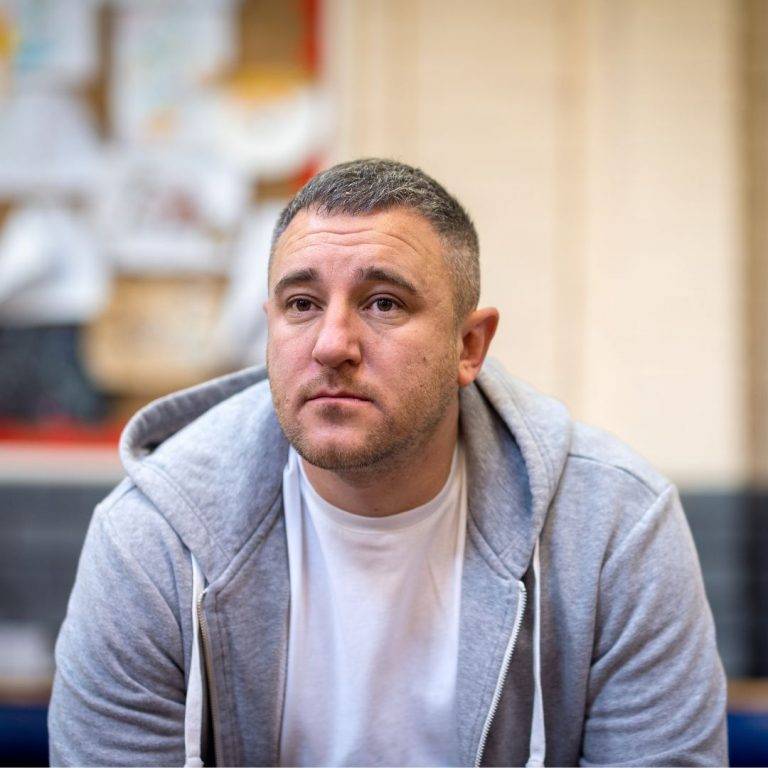
Story of hope - Andy
Andy shares his powerful story of being a man experiencing suicidal ideation, the dangers of not talking about his feelings, how he has overcome it, and why asking for help is important.
Myths and facts
Some phrases and assumptions around suicide add to the weight of social stigma and shame. This can be even more damaging to men who may be going through difficult times in their relationships, careers and physical or mental health.
The spread of these stereotypes and misunderstandings can lead to men struggling with suicidal ideation. They may see it as confirmation that they are misunderstood, inadequate, alone or worthless. This makes them more likely to struggle in silence and can increase the chance that they will act on their suicidal thoughts.
Here are some of the most harmful men’s suicide myths debunked. Click each myth to see the real facts and explanations.
Fact: Many suicidal crises can be relatively short-lived.
Most men who feel suicidal do not want to end their lives, they just want the situation they are in or the pain to end. This can be a short, but very intense, period.
The distinction may seem small, but it is very important. It’s why talking through other options at the right time is so vital. Safely intervene to keep people safe until mental health services can take over.
Fact: Men do experience emotional pain and distress, but they may express it differently.
While many men struggle with intense sadness, anxiety, and hopelessness, they are often more likely to communicate these feelings in ways that aren’t immediately recognised as emotional distress. Instead of openly expressing vulnerability, some men may show their pain through anger, irritability, risk-taking, substance abuse, or withdrawal.
Cultural expectations around masculinity can further discourage men from acknowledging or displaying their emotions, making it harder for others to recognise when they need support.
Find out more about how expectations around masculinity can affect men’s mental health and make it harder to seek support on our restrictive masculinity page.
Fact: Many men suffer in silence and may never openly talk about suicidal thoughts.
Because of social pressures and stigma that discourage emotional openness, from a young age, men are often taught to hide vulnerability. Men are less likely to voice suicidal thoughts, so it’s vital to notice behavioural changes and check in directly, creating space for honest, judgement-free conversations.
Learn how to have a conversation about suicide.
Fact: Warning signs, verbally or behaviourally, precede most suicides.
While some men might be less likely to open up, they do express emotions in different ways, such as changes in behaviour, withdrawing from others, or acting out. Signs of distress can still be spotted, even if someone isn’t talking about it. It’s important to encourage open conversations and support for anyone struggling, regardless of gender.
Find out more about the warning signs of suicide and how you can recognise when someone may need support.
Fact: Anyone talking about suicide needs serious attention.
Anyone who talks about suicide needs attention – they are in pain and may feel hopeless. Most people who die by suicide have talked about it first. They might say things like “I don’t want to be here anymore”, “people would be better off without me” or make other comments that suggest they are struggling. These comments should always be taken seriously.
Do not dismiss a suicide attempt as simply being an attention-gaining device. It is likely that this attention is needed and may well save their lives.
Find out more about the things someone may say when they are struggling with suicidal thoughts.
Fact: One in four people has thought about suicide at some time in their life.
While mental health conditions like depression are significant risk factors for suicide, they are not the only contributors. Life stresses such as financial hardship, relationship breakdowns, isolation, substance abuse, and a lack of social support can also significantly impact a person’s mental wellbeing. Suicide is often the result of a combination of factors, and not all of them are linked to mental health disorders. Addressing broader life circumstances is just as important as providing mental health support.
Find out more about mental health conditions as a risk factor for suicide.
Fact: Asking someone if they’re suicidal could protect them.
Talking about suicide not only reduces the stigma, but also allows individuals to seek help, rethink their options.
It is safer to ask about suicide than not to ask about suicide. Conversations and language around suicide do need to be carefully managed. Asking someone if they’re having suicidal thoughts can give them permission to tell you how they feel and let them know they are not a burden.
How to talk about suicide
Timing is key. Asking about suicide is an important conversation and needs to be treated with respect.
If you’re worried someone may be thinking about suicide, the most important thing is to ask them directly and sensitively. Don’t wait for the ‘right’ moment or for them to be in a better mood – people often show signs when they’re struggling. Asking with care and listening without judgement can open the door to support and may help save a life.
Be mindful that some men often internalise distress due to societal expectations of “being strong.” Their inner voice might be telling them they don’t deserve help, that they’re a burden, or that they should be able to cope on their own. Give them space to open up at their own pace. Let them guide the conversation – avoid ambushing or confronting them, which can feel overwhelming.
Talking in a place where someone feels unsafe or rushed may affect what they say. Your choice may depend on the specific risks or situations the person may be experiencing.
1. At home or in a safe, quiet and private place
It’s easier to talk to someone when they are comfortable and not worried about showing emotions or speaking their mind. Find a time when it’s just the two of you and you can talk as long as you need without having to rush off.
2. While doing something you enjoy together
Many people may feel less under pressure if they don’t have to maintain eye contact. It can also be helpful to focus on an enjoyed activity as this gives you both space to pause, reflect and gather thoughts without awkward silences. Choose an activity that they will find enjoyable and avoid tasks that may feel like chores or errands. Avoid public places or locations linked to drinking or substance use such as pubs or busy restaurants.
3. On a walk or in a quiet place
You could suggest going for a walk in a quiet or familiar place. Nature can often help people to feel more relaxed, but it is important to check first.
Remember the four Cs: appear Calm, Confident, Consistent and Compassionate, however you feel inside.
Talking to someone about how they are can be difficult, especially if you believe they are struggling. You might not know what to say, or feel worried about how they will react.
Here are some suggestions on how to start the conversation:
- “How are you feeling?”
- “What was the best and worst part of your day?”
- “It seems like you’ve been struggling lately. Are you comfortable talking with me about what’s going on?”
- “I’ve noticed you’ve had a couple of down days lately, can you let me know how you’re feeling or what you’re thinking about?”
- “If you are having feelings that are hard to deal with or scared of, you can always talk to me, it would not upset me. I just want to listen.”
Here are some ways to keep the conversation going and opportunities to offer hope, support and empathy to men who may be struggling.
It can be very hard to ask these questions; remember, it is always better to ask about suicide and get a definitive answer than to avoid asking and miss an opportunity to connect someone with urgent support.
Reassurance and giving them time
- “Just take your time, there’s no rush.”
- “I know talking about this can be difficult. I’m here to listen.”
- “You can tell me anything.”
- “I want to listen and understand.”
Reassure them that they matter to you, you’re here to listen and support, and you don’t need to rush off.
Many people who feel suicidal will feel worthless, especially if their struggles have been brushed off or downplayed. Showing them you are prioritising them and the conversation will mean a lot.
Asking how long these feelings have been present
- “How long have you been feeling this way?”
- “Have you felt this way before?”
Ask how and when their feelings changed and, if they have experienced this before, what happened last time.
Reassure them that they won’t feel this way forever, and that the very intense feelings can and will change with time.
Asking about plans for suicide
- “Have you got a plan? What is it?”
- “Have you thought about how you would kill yourself?”
- “Have you thought about when you would kill yourself?”
- “Have you taken any steps to get the things you would need to carry out your plan?”
- “Have you thought about how you might do this?”
This is important.
People who have made a suicide plan are at more risk. Let them know that you care about them and that they aren’t alone.
If they start talking about the immediate future or plans for that day, it is important to stay with them and seek further help.
Having empathy
- “I can’t imagine how painful this is for you, but I would like to try to understand.”
- “I’m here, we can find a way to get through this.”
Empathise with them. Be aware that you don’t know exactly how they feel and may never experience or understand what is going on in their mind.
Remind them that you have the time to listen and that you want to hear them.
Offering hope
- “You’re not alone, lots of people feel like this and support is available.”
- “I’m glad you’re telling me how you feel.”
- “You know, one in four people experience thoughts like yours. Many people do recover and find ways to cope, so it’s okay to feel like this.”
Try to offer hope and context – they are not alone, others feel this way, and there is a lot of help available for them. Remind them that people can find ways to get through tough times and that you will help them.
Talking about the future
- “What reasons do you have for staying alive?”
Ask about their reasons for living and dying and listen to their answers. Focus on people they care about, and who care about them. People are less likely to attempt suicide when they have positive future events to focus on.
Keep asking open-ended questions – this means there isn’t a yes or no answer, but an opportunity for them to speak more, continuing the conversation.
Thanking them for opening up
- “Thank you for sharing this with me.”
Encourage them to seek help that they are comfortable with. This could be a doctor, therapist, counsellor or one of the many resources listed on these pages.
It is important to be clear when you ask about suicide, use direct language and avoid euphemisms.
This might be difficult, so remember: you are asking the question because it is important to know the answer.
- Have you been thinking about suicide?
- Do you feel like you don’t want to be in this world anymore?
- Do you want to close your eyes and never wake up?
- Do you have thoughts around suicide?
When they answer, listen with empathy and without judgement. You will find advice on what to say and what not to say further down this page. Be careful not to look shocked or upset, as this may cause them to close up or be less honest. Be prepared to listen, even if it’s hard to hear, and try to stay calm.
How can I support men at risk?
Train with us
We have trained around 100,000 people over the last twenty years, both in person and online. We train organisations including government, military, corporate and local authority teams. Whether you’re an individual looking to book our public men’s mental health and suicide prevention course or a group wanting to arrange training for your organisation, you can find the right option below.
Level 1 (Foundation) Mental Health and Suicide Prevention – Men
Our half-day mental health and suicide prevention training is focused on supporting men. It is a practical, discussion-based session that will help you recognise distress, understand myths and key risk factors. It trains you to start conversations, respond safely, and connect someone with appropriate support.
Level 1 (Foundation) Mental Health and Suicide Prevention – Half Day
Level 2 (Intermediate) Mental Health and Suicide Prevention – Full Day
Can be tailored for men, women, young people or other vulnerable communities.
ASIST
Caring Connections
Real Talk
Suicide First Aid: Understanding Suicide Intervention
Suicide Prevention in the Context of Domestic Abuse
Donate or fundraise
By donating, sponsoring, or fundraising for us, you can help save lives. We are careful with your money, with around 85p of every £1 going straight into our life-saving work.
You can make a difference. By supporting us, you will be giving more people the tools to identify warning signs, talk to others about suicide risk factors and issues affecting men, and signpost lifesaving resources to help reduce the number of lives lost to suicide each year.

Share this page
One simple share can make a real difference. Share this hub on social media, in work emails, newsletters, or community groups to help it reach men who may be struggling, as well as friends, family members, and colleagues who are looking for guidance on how to support someone they are worried about.
Sources
74% of suicides in the UK are among men – Centre for Policy Research on Men and Boys, Key Facts: Male Suicide
Suicide is the leading cause of death in the UK for men under 50 – London Assembly, Suicide – the single leading cause of death for men under 50
14 men on average are lost to suicide every day in the UK – Centre for Policy Research on Men and Boys, Key Facts: Male Suicide
3 times as many men die by suicide in the UK than in road fatalities each year – Centre for Policy Research on Men and Boys, Key Facts: Male Suicide
40% of men in the UK have never spoken to anyone about their mental health – Priory, Men’s Mental Health: Why 40% of men won’t talk about it
Photos
Bear Grylls – Ruth Towell / Premier Christianity magazine